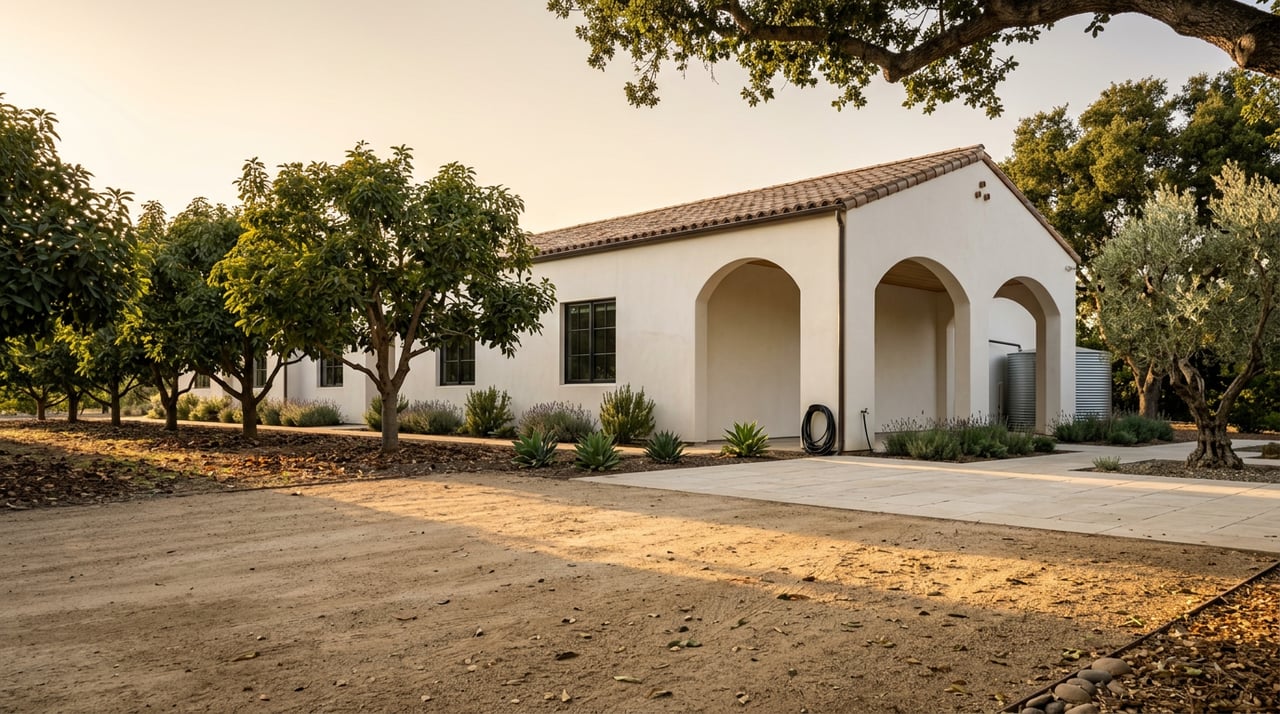
Imagine waking to wide views, quiet mornings, and the scent of citrus after a light rain. Living on acreage in Fallbrook gives you space to breathe, garden, ride, or plant an orchard, all while staying connected to North County life. If you are weighing the tradeoffs between privacy and proximity, this guide walks you through the lifestyle, the systems that matter, and the due diligence that protects your investment. Let’s dive in.
The Fallbrook lifestyle on acreage
Space, views, and starry nights
You feel the pace change as you crest rolling hills and pass working groves. On acreage, evenings are calm, horizons are bigger, and neighbors are friendly but not on top of you. Topography varies from ridgelines to valleys, which can mean distinct microclimates that are great for orchards and vineyards.
A seasonal, farm-forward rhythm
Spring and summer bring harvest energy and community events. Many owners keep hobby gardens or small orchards, and irrigation needs typically rise in late spring. You will see everything from young citrus to mature avocados across the landscape.
Equestrian culture and trails
If you ride, Fallbrook is a standout. The Santa Margarita River trail system offers staging areas and roughly 18 miles of maintained paths for horses and hikers. You can plan weekend outings using the Fallbrook Trails Council’s detailed trail map.
Coastal access and everyday errands
Most acreage owners trade a longer drive for more land. A typical trip from Fallbrook to Oceanside runs around 30 to 35 minutes, depending on your start point and route, according to drive-time estimates. Essentials and dining are close to town, while larger retail and services cluster along the 78 and I‑5 corridors.
Property types you will see
Ranchettes: 1–5 acres
These smaller parcels usually include a primary home, a few paddocks or garden beds, and a workshop or shed. They often deliver strong indoor-outdoor living and enough space for a small hobby operation.
Small farms: 5–20 acres
Expect working avocado or citrus plots, often family-run or leased to local growers. Infrastructure can include irrigation systems, packing areas, and utility buildings.
Equestrian estates: 20+ acres
Larger properties may feature barns, arenas, round pens, multiple paddocks, hay and tack storage, and more extensive water and power setups. Layout and acreage usability vary with slope and soils.
Zoning basics and permitted uses
Fallbrook is unincorporated, so land use and permitting flow through San Diego County. Rural and agricultural designations generally allow lower densities and farm or equestrian uses, subject to county rules. Always confirm the zoning for a specific APN and review minimum lot sizes, animal regulations, and secondary-structure allowances on the County’s Planning & Development Services zoning page.
Conservation overlays to know
Some areas fall within conservation planning zones or near riparian preserves, which can add setbacks or restrict grading. The Santa Margarita River Preserve is a local example of protected open space. Explore the preserve context through the Wildlands Conservancy to understand how sensitive habitats shape development.
Everyday systems to understand
Water and irrigation
Much of Fallbrook is served by the Fallbrook Public Utility District (FPUD), with portions handled by the Rainbow Municipal Water District (RMWD). Service types vary by parcel. Some properties have potable water and, in parts of town, sewer through FPUD. Agricultural customers often use district water for irrigation, while some rural parcels rely on private wells. Start with FPUD’s services overview to understand retail water and recycled-water programs.
A notable change in recent years: FPUD and sections of Rainbow reorganized wholesale supply to reduce long-term costs and fund projects. For background and updates on that transition, review Rainbow’s detachment FAQ. For any property, verify whether the parcel is on a meter or a private well, ask for recent water bills, and confirm irrigation hookups if you plan to farm.
Septic systems and wells
Many acreage homes outside central Fallbrook use onsite wastewater systems. The County’s Environmental Health department sets septic design criteria, permits, and repair rules. If you plan to add bedrooms, an ADU, or a barn with plumbing, capacity and upgrade triggers matter. Read the county’s septic design criteria and request permits and percolation tests during due diligence.
Private wells exist on some parcels. Ask for pump tests, well logs, and recent water-quality reports. Licensed professionals handle well inspections and construction under state and county standards.
Roads, access, and maintenance
Access ranges from paved county roads to private drives. Many rural roads are private, with maintenance handled by owners or through a road agreement or HOA. Confirm whether your access is county-maintained and review any recorded easements, gates, and emergency-vehicle turnarounds with your title officer and the county’s planning department.
Power, fuel, and backup
Electricity is provided by the regional utility. In the more rural pockets, owners often keep propane tanks, standby generators, and sometimes solar plus battery systems for resilience. If you are evaluating a property off the beaten path, ask about recent outages, backup capacity, and any solar or storage permits on file.
Internet and cell coverage
Connectivity is address-specific. Cable or fiber reaches many areas, but some locations rely on fixed wireless, 5G home internet, or satellite. Check options by address using provider tools such as InMyArea’s Fallbrook internet lookups, and confirm cell coverage with your carrier.
Wildfire readiness and insurance
Hazard zones and building standards
Large parts of North County’s backcountry, including portions of Fallbrook, are mapped in Very High Fire Hazard Severity Zones. That status influences building standards, defensible-space requirements, and insurance underwriting. Review parcel risk on the state’s official Fire Hazard Severity Zone map and ask your insurance broker for quotes early in escrow.
Defensible space and local help
Most rural owners maintain 100 feet of defensible space, manage brush seasonally, and harden homes with ember-resistant features. Local Fire Safe Councils and County Fire partners offer free or grant-supported home ignition assessments and chipping programs. See the current home assessment program for a sense of available resources.
Equestrian access highlights
Trails, staging, and animal rules
Fallbrook’s equestrian lifestyle is well-established. Many properties feature stalls, arenas, round pens, tack rooms, and hay storage, with trailer parking in mind. Riders rely on the Santa Margarita River trail system for regular outings, with staging areas and water access noted on the trail map. For animal counts, barn placement, and setback requirements, confirm the specifics for your APN on the County’s zoning and land use pages.
Before you buy acreage: a quick checklist
- Water source and capacity. Verify if the parcel is on FPUD or Rainbow service vs. a private well. Request recent water bills and confirm irrigation hookups. Start with FPUD’s services page.
- Septic and expansion potential. Pull permit history, confirm tank and leach field sizing, and order percolation tests if you plan to add bedrooms or an ADU. Review the County’s septic criteria.
- Access and easements. Identify whether roads are private or county-maintained. Confirm recorded access, shared maintenance agreements, gates, and emergency-vehicle access.
- Fire risk and compliance. Check your parcel on the state hazard map. Document defensible space and plan for brush clearance.
- Utilities and backup. Confirm electric provider, presence of propane, and any solar or generator systems. Ask about outage history and transfer switches.
- Internet and cell service. Run address-level availability checks for cable, fiber, fixed wireless, 5G home internet, or satellite using InMyArea.
- Soils, grading, and drainage. On slopes or near waterways, ask about prior grading permits, erosion control, and any riparian setbacks.
- Zoning and secondary structures. Verify what is allowed for ADUs, barns, arenas, and workshops on your specific zoning designation through County PDS zoning.
- Agricultural status. Ask whether the property has agricultural water accounts or assessments and confirm with the local district.
Is Fallbrook acreage living right for you?
If you value privacy, views, and room for projects, acreage can be deeply rewarding. You will likely invest more time and budget into land care, irrigation, and brush management than on a suburban lot, and you may rely on propane, backup power, and mixed internet solutions. In return, you get space to shape a lifestyle around gardens, horses, or small-scale farming. When you plan ahead for water, septic, access, and fire readiness, acreage living becomes both practical and peaceful.
When you are ready to explore, we can help you weigh tradeoffs by neighborhood, topography, and infrastructure, and line up parcel-specific answers from the County and local districts. For private guidance and access to on- and off-market acreage, connect with McCoy | Obermueller & Associates. Schedule a private consultation.
FAQs
How reliable is water on acreage in Fallbrook?
- It varies by parcel. Some properties connect to the Fallbrook Public Utility District or Rainbow Municipal Water District, while others use private wells. Verify service and ask for recent bills using FPUD’s services overview, and request well tests if applicable.
Can you keep horses on rural Fallbrook property?
- Most rural and agricultural zones allow horses and barns, subject to county animal regulations and setback rules. Confirm your APN’s specific allowances on the County’s PDS zoning page.
How far is Fallbrook acreage from the beach?
- Many owners report a 30 to 35 minute drive to Oceanside, depending on start point and traffic. See typical drive-time estimates for context.
Is wildfire insurance obtainable in rural Fallbrook?
- Often yes, but underwriting and premiums depend on your parcel’s mapped hazard zone and mitigation measures. Check the state hazard map and get quotes early in escrow.
What internet options exist for remote addresses in Fallbrook?
- Availability is address-specific. Many areas have cable or fiber, while others use fixed wireless, 5G home internet, or satellite. Run an address check using InMyArea’s Fallbrook page.