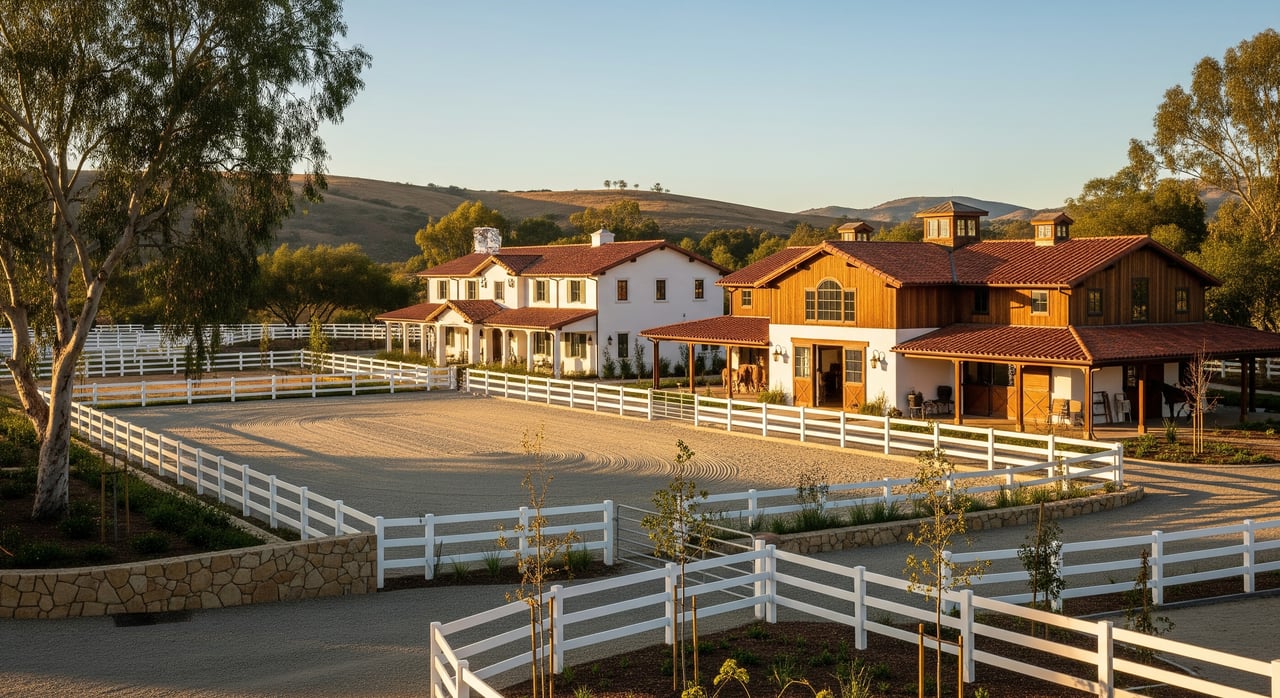
Thinking about buying a horse property in Bonsall but not sure what actually counts? You’re not alone. The term gets used in many listings, yet the reality depends on acreage, amenities, zoning, and how you plan to keep your horses. In this guide, you’ll learn what buyers in Bonsall typically expect, what the county allows, and how to evaluate a property’s true usability and cost. You’ll also get a practical checklist to help you make a confident offer. Let’s dive in.
What “horse property” means in Bonsall
Acreage expectations
In Bonsall, buyers often use “horse property” to mean rural or semi‑rural parcels with enough room for one or more horses. As a general market guide:
- Small hobby properties: about 1 to 2 acres. Often workable for one horse with supplemental hay and smaller paddocks.
- Multi‑horse hobby properties: about 2 to 5 acres. Allows multiple paddocks, a small arena, and a basic barn or stall setup.
- Larger equestrian parcels: 5 or more acres. Offers room for pasture rotation, larger arenas, and greater self‑sufficiency.
Acreage alone does not guarantee usability. In semi‑arid climates, many extension pros cite roughly 1 to 2 acres per horse as a starting guideline, but pasture quality, slope, drainage, and water availability matter. Plan on tailoring your stocking rate to your site conditions and management style.
Core amenities buyers expect
Most horse buyers in Bonsall look for a combination of functional features that make day‑to‑day horse care practical and safe:
- Barn or shelter with stalls, plus separate hay and equipment storage
- Turnouts or paddocks with equine‑safe fencing
- An arena or designated riding area; a round pen is a bonus
- A tack room and wash rack
- Reliable water for troughs and dust control
- Trailer or RV parking, with an easy driveway turnaround
- A designated manure management area or plan
If a property lacks one or two of these, you can add them later, but the cost, permitting pathway, and site conditions should guide your budget.
Location and access factors
Trail proximity is a frequent priority. Buyers often ask about access to river corridors, county trails, or private bridle paths. Road access also matters. Low‑traffic streets, good sightlines, and legal, practical trailer parking make trailering safer and daily routines easier.
What actually makes it legal
County zoning in an unincorporated area
Bonsall is unincorporated, so San Diego County Planning & Development Services sets the rules that govern equestrian use, outbuildings, and permits. Your property’s zoning and the Bonsall Community Plan determine what you can build and how many animals are allowed.
- Confirm allowed uses and animal limits under your zoning.
- Ask what structures need permits and the required setbacks.
- If structures already exist, verify their permit status.
A simple step before you offer: request a zoning and property‑use verification in writing, or have the seller provide permit records for barns, arenas, and shelters.
CC&Rs and HOA rules
Even in rural subdivisions, recorded covenants can be more restrictive than county rules. CC&Rs may cap the number of animals, limit arena placement, or dictate fencing type and colors. Always review CC&Rs and the preliminary title report to avoid surprises.
Permits, environmental limits, and utilities
Several practical and legal items can affect your plan and budget:
- Setbacks and structure size: barns and larger shelters usually require permits. Lot coverage and height rules can apply.
- Environmental constraints: floodplains near creeks or the San Luis Rey River corridor, protected habitat, and utility easements can reduce usable acreage or restrict arena placement.
- Septic and well: rural parcels often rely on on‑site systems. Confirm septic capacity and feasibility. For wells, review pump tests, capacity, water quality, and service boundaries for any water district.
- Animal health and safety: county animal regulations may require registration or set limits in certain areas.
- Agricultural assessments and taxes: ask the county assessor about any available programs tied to agricultural or current use.
Bottom line: a property “feels” like horse property when it has space and horse‑friendly features, but it “is” horse property when the zoning, recorded restrictions, and permits line up with your intended use.
Site and infrastructure factors that drive usability and cost
Topography, soil, and drainage
Flat or gently sloped land is easier and cheaper for arenas and paddocks. Steep slopes can limit turnout, complicate drainage, and increase erosion and fire risk. Soil type influences septic feasibility, arena base costs, and pasture productivity. Consider soil surveys, perc testing, and, for arena projects, a geotechnical opinion on base and drainage.
Water availability and delivery
You need enough water for livestock, dust control, and, in some cases, limited irrigation. Well capacity, recovery rate, and water quality matter. On district water, confirm service and pressure. If water must be hauled or pumped long distances, operating costs rise quickly. Plan for trough placement and easy hose runs to reduce labor.
Wildfire and flood risk
Bonsall sits in a Mediterranean climate with seasonal wildfire risk. Check fire severity zones and defensible‑space requirements, and discuss insurance availability early. If a property is near a creek or river corridor, review floodplain maps. Arenas and paddocks inside flood zones may need special design or siting.
Recurring costs to plan for
- Fencing: equine‑safe materials vary in price and maintenance. Long fence lines add up.
- Barns and shelters: permitted structures add value. Unpermitted buildings can trigger costly remedies.
- Arena build and care: proper base, drainage, and footing are sizable investments and need periodic refreshing.
- Manure management: plan for composting, pick‑up, or hauling.
- Feed and pasture: in semi‑arid conditions, expect to buy hay during dry months and invest in rotational grazing or pasture renovation.
- Insurance and taxes: coverage for farm or ranch exposures and any changes tied to agricultural use. Fire exposure can affect premiums.
How amenities influence search and value
Smart search filters to use
When you set up your search or brief your agent, use filters that map to real needs:
- Lot size: set minimums at 1+, 2+, or 5+ acres based on your plan
- Keywords: barn, stalls, arena, round pen, fenced, pasture, tack room, hay storage, corrals, RV or trailer parking, equestrian
- Zoning or use type: rural or agricultural identifiers where available
- Water source: well versus water district
- Access and easements: long driveways, gates, and trailer turnaround
- Flood and wildfire risk: if your search tools provide these flags
Keywords in listings can be inconsistent. Always verify amenities on site and request permit histories for barns and arenas.
Features, price, and marketability
Turnkey equestrian features that are properly permitted can command a premium per acre compared to raw land or homes without improvements. Unpermitted, aged, or unsafe structures usually reduce value or push you into a renovation budget. For many riders, location benefits like nearby trails and low‑traffic roads matter as much as on‑site infrastructure.
Sample buyer roadmaps
Solo rider or hobbyist, one horse
Target 1 to 2 acres with safe fencing, a shelter, and straightforward trailer access. Budget for upgrades like an improved water setup, small arena, or fencing repairs. Confirm septic and well details on smaller lots.
Family with 2 to 3 horses
Focus on 2 to 5 or more acres with a multi‑stall barn, paddocks, and a larger arena footprint. Expect higher upfront and ongoing costs for footing, manure removal, and fencing. Proactively review CC&Rs for animal limits and arena placement rules.
Small professional or part‑time boarding
Look for 5 or more acres with multiple barns or outbuildings, a substantial arena, and ample parking and turnaround for trailers. Zoning, permits, and environmental constraints will face more scrutiny. Line up soil and water assessments early.
Pre‑offer checklist for Bonsall buyers
Use this list to verify the essentials before you write an offer:
- Zoning and permitted uses with San Diego County Planning & Development Services
- Copies of building permits for barns, arenas, shelters, and any outbuildings
- CC&Rs and recorded covenants or HOA rules for animal limits and fencing
- Well logs, pump capacity, and water quality tests or district service confirmation
- Septic records and capacity from the county environmental health department
- FEMA flood maps and county floodplain designations
- Fire severity zone and preliminary insurance quotes
- Title report review for access, utility, or conservation easements
- Soil and perc testing where relevant, plus geotechnical input for arena plans
- Verified estimates for needed upgrades to fencing, arena base, and utilities
- Contact list for local equine services to confirm day‑to‑day support
Local resources and who to call
- San Diego County Planning & Development Services for zoning, permits, and the Bonsall Community Plan
- San Diego County Department of Environmental Health for septic rules and approvals
- County Assessor for questions about agricultural or current‑use assessments
- County Animal Services for animal ordinances and registration requirements
- CAL FIRE for wildfire hazard maps and defensible‑space guidance
- UC Cooperative Extension for stocking rates, pasture management, and horse‑keeping in California climates
- USDA NRCS soil surveys for soil type, drainage, and septic or arena suitability
- Local riding clubs, trainers, and county parks and trail offices for trail access and neighborhood norms
Next steps
Defining “horse property” in Bonsall starts with your riding goals, then narrows to the right mix of acreage, amenities, and legal certainty. If you focus your search on usable land, permitted structures, reliable water, and safe access, you’ll protect both your horses and your investment. When you are ready to evaluate specific addresses, we can help you map your wish list to real inventory, surface any zoning or permit issues early, and coordinate the right specialists.
Have questions or want to see what’s on the market now? Schedule a private consultation with McCoy | Obermueller & Associates.
FAQs
What qualifies as a horse property in Bonsall?
- Typically a rural or semi‑rural parcel with usable space for horses, equine‑safe fencing and shelter, reliable water, and legal zoning that allows equestrian use.
How many acres do I need per horse in Bonsall?
- Many extension sources cite about 1 to 2 acres per horse as a rough guideline in semi‑arid areas, but stocking rates depend on pasture quality, slope, drainage, and management.
Are barns and arenas in Bonsall required to be permitted?
- Most barns, large shelters, and arenas require permits and must meet setbacks; always verify permit history with San Diego County and obtain copies during due diligence.
Can CC&Rs override county rules for horse properties?
- Yes, recorded covenants can be more restrictive than county zoning and may limit animal numbers, fencing types, arena placement, or structure appearance.
What should I check about water on a horse property?
- Confirm the source (well or district), well capacity and recovery, water quality, and practical delivery for troughs and dust control to ensure daily care is feasible.
How do wildfire and flood zones affect equestrian use?
- Fire severity zones can impact insurance and require defensible space, while floodplains may limit where you place arenas or paddocks and can affect usability during storms.