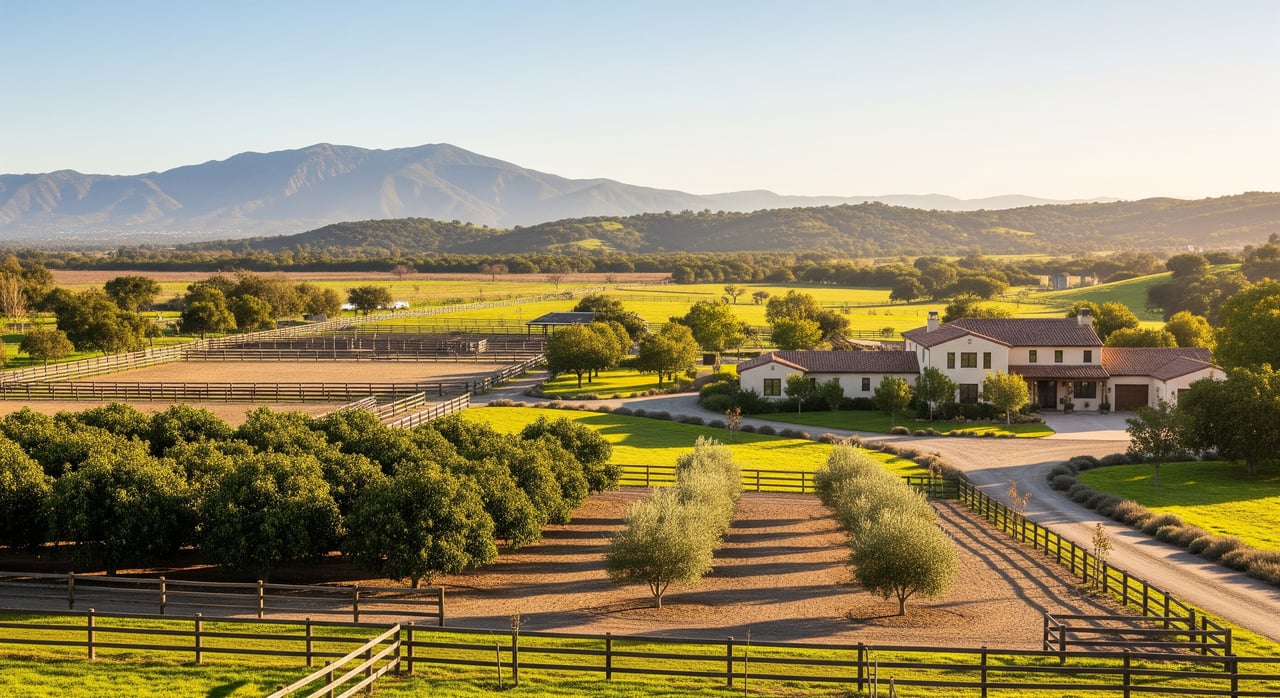
Is your “10-acre” parcel in Fallbrook really 10 acres you can use? When you own or shop for rural land, the acreage that matters most is the part you can actually build on, farm, or ride. Pricing on gross acreage alone can inflate expectations and lead to surprises during appraisal. In this guide, you’ll learn how to define usable acreage, estimate it on a real property, and apply practical valuation methods that reflect Fallbrook’s unique terrain and agricultural roots. Let’s dive in.
What usable acreage means
Usable acreage is the portion of land you can readily develop, farm, or graze without major earthwork or costly retaining walls. It focuses on flat and gently sloped areas where structures, paddocks, or rows of trees can function well.
Shape matters too. Long, narrow strips or fragmented pads reduce how much of the land is functionally usable. Internal access between pads also counts. If you need steep switchbacks or heavy grading to connect areas, effective usability drops.
Appraisers and lenders focus on usable acres rather than total acres. Parcels with high percentages of steep slopes or cliffs typically sell at a discount compared to more level land.
Why usable acres drive value in Fallbrook
Fallbrook blends estate living, equestrian uses, and avocado groves. That mix makes topography, water, and access central to value. Buyers compare usable pads and contiguous fields, not just tax-record acreage.
Private roads, road condition, and maintenance agreements affect desirability and lending. Distance to services and emergency access also play a role. Water reliability for groves and irrigation is critical for income potential and price.
The rural setting brings wildfire considerations, septic systems, and potential biological constraints. These factors influence where you can build and how much of the land truly functions for your goals.
How to estimate usable acres
Use a simple visual method before hiring experts. Then confirm with professionals during due diligence.
- Walk the site and mark flat and gently sloped areas you can use without major grading. Note any rock outcrops and shallow soils.
- Sketch polygons of these areas on a printout or aerial image. Aim to connect continuous fields and pads.
- Identify internal access. Can a standard vehicle or tractor connect these areas safely without heavy earthwork?
- Note obstacles like seasonal washes, steep breaks, or sensitive habitat that limit clearing.
- Confirm with a topographic map or survey. A professional topo and slope analysis will refine your estimate.
This approach helps you and your appraiser compare properties on a usable-acre basis rather than total acreage.
Valuation methods that work
Sales comparison by usable acres
Most rural sales use the sales comparison approach. Start by finding recent sales of similar parcels in Fallbrook and nearby unincorporated areas. Adjust for the percentage of usable acres, access quality, water, irrigation, and permitted improvements.
A practical baseline is to translate each comp into a price per usable acre. Apply that to the subject’s estimated usable acres, then adjust for features like wells, barns, and road condition. This creates a more apples-to-apples comparison.
Income approach for groves
If the property has a productive avocado grove, value can reflect income. Calculate net operating income from yields, pricing, and production costs. Then apply a market-appropriate capitalization rate. For younger plantings, a cash flow model that accounts for establishment years is useful. Cap rates vary with risk and demand, so test a range and review recent records.
You will need harvest history, pack-out records, water and input costs, and a tree age profile. Healthy, productive trees add value. Overmature or diseased trees may subtract value due to removal or rehab costs.
Cost approach for improvements
For specialized improvements like barns, arenas, packing sheds, or cold storage, use a cost approach. Estimate land value as if vacant, then add the depreciated replacement cost of buildings and infrastructure. Permitted, well-maintained structures usually support higher value and lower risk than unpermitted ones.
Parcel features that move the needle
Access and easements
Public road frontage and paved access typically increase marketability. Private roads can work well if maintained and supported by clear agreements. Steep or seasonal access may reduce value or financing options. Recorded easements for utilities or neighbors can affect how you use the land.
Water and irrigation
Well logs, pump tests, and municipal water meters matter. For groves, reliable irrigation with functional pumps, tanks, filtration, and drip lines is crucial. Water quality and allocation history influence yield and operating costs.
Soil and drainage
Soil depth, texture, and drainage class affect which crops thrive and how dense you can plant. Hardpan or heavy clay can limit root growth and require mitigation. Erosion risk rises on steeper slopes and may demand terraces or other controls.
Improvements and outbuildings
Permitted homes, barns, arenas, pump houses, and fencing add value when in good condition. The remaining useful life and repair needs influence how appraisers weigh them. Agricultural upgrades like trellises, irrigation upgrades, and soil amendments can enhance productivity.
Zoning and permits
County zoning dictates allowable uses, building envelopes, and minimum parcel sizes. Accessory uses like ADUs and agricultural processing depend on local rules. Unpermitted improvements are common in rural areas and can reduce buyer confidence or financing options.
Environmental and hazard factors
Wildfire exposure affects insurability, buyer pool, and maintenance obligations for defensible space. Floodplains, seasonal washes, and landslide susceptibility can limit buildable areas. Sensitive habitat or protected species may restrict clearing or grading.
Fallbrook specifics to review
- Avocado focus: Fallbrook’s long avocado history means grove age, rootstock, cultivar mix, and pest management records matter. Consistent irrigation and proximity to packing facilities can influence net returns.
- Water realities: Drought cycles make documented well performance and irrigation records essential for buyers and appraisers. Expect close review of yield tests and water quality.
- Wildfire and safety: Road access, fuel breaks, and defensible space standards are important for safety and insurance.
- Rural utilities: Many parcels rely on septic and propane. Factor in the cost and feasibility of extending utilities between pads.
- Permitting landscape: San Diego County rules guide building setbacks, septic approvals, and accessory uses. Conservation easements or biological constraints may reduce usable acreage.
- Buyer segments: Equestrian, hobby-farm, and lifestyle buyers value contiguous usable areas. Larger parcels may attract agricultural investors but serve a smaller audience.
Buyer and seller checklist
Use this list to prepare for pricing or offers.
Documents and records
- Deed, legal description, and recorded easements or access agreements
- Recent survey or parcel map with easements identified
- Property tax records and any special assessments
- Zoning and land-use designation from the county
- Well logs, pump tests, meter records, and irrigation system diagrams
- Grove records: yields, input costs, harvest calendar, pest and treatment history
- Permits and approvals for residences, barns, garages, ADUs, and other structures
- Septic permits and recent pump or inspection records
- Site photos and aerial imagery
- Preliminary title report
On-site inspections and tests
- Topographic survey or high-resolution topo map
- Soil testing and percolation tests if needed for septic
- Environmental screening if agricultural chemicals were used
- Well pump test and water quality analysis
- Structural inspections for homes and outbuildings
- Slope and stability review where erosion or drainage issues appear
- Fire risk assessment and defensible space check
Valuation and negotiation tasks
- Gather 3 to 5 recent comparable sales with similar usable acreage
- Estimate usable acres on each comp and compute price per usable acre
- For groves, analyze three years of production and expenses and apply an income approach
- List deferred maintenance, repair needs, and unpermitted work
- Consider concessions for well repairs, tree removal, or access improvements
- Allow adequate due diligence time for tests and contingencies
Professionals to engage
- Agent with rural and agricultural land experience in North San Diego County
- Appraiser familiar with acreage and grove properties
- Civil engineer or land planner for development potential and slope mitigation estimates
- Licensed surveyor for boundary and building envelope confirmation
- Agricultural consultant or extension advisor for grove health and yields
- Environmental consultant for habitat and contamination screening
- Well driller or hydrogeologist for yield and quality testing
Common pitfalls to avoid
- Pricing on gross acres instead of usable acres
- Skipping a well pump test or water quality analysis
- Overlooking unpermitted structures and their impact on financing and resale
- Underestimating slope, erosion control, and road work costs
- Ignoring wildfire risk and insurance availability during negotiations
Next steps
If you are buying, focus your search on properties with contiguous, accessible usable acreage that fits your plans. If you are selling, assemble records early, confirm usable acres, and address access or water questions up front. A clear, usable-acre story supports stronger pricing and smoother escrow.
For tailored guidance on a specific parcel in Fallbrook, schedule a private consultation with McCoy | Obermueller & Associates. Our team pairs deep North County expertise with elevated, design-led marketing that helps acreage stand out and sell with confidence.
FAQs
What does “usable acreage” include on rural Fallbrook land?
- It includes flat and gently sloped areas you can build on, farm, or ride without major grading, plus pads and fields that are safely connected by practical internal access.
How do appraisers account for steep slopes when valuing acreage?
- They often adjust comps to a price per usable acre, discounting steep or inaccessible terrain and then adding or subtracting for features like water and permitted improvements.
What records should I collect to price an avocado grove in Fallbrook?
- Gather three years of yield and expense records, water usage, tree age profile, pest and treatment logs, and irrigation system details to support an income-based analysis.
How important are well logs and pump tests when buying acreage?
- Very important. Documented well capacity and water quality reduce risk and help support value, especially for groves and irrigated uses.
Can unpermitted barns or ADUs be sold as-is on rural parcels?
- Yes, but buyers often discount for permitting risk. Clear disclosures and, when possible, retroactive permits can improve marketability and financing options.
How does wildfire risk affect pricing and insurance in Fallbrook?
- Higher wildfire exposure can narrow the buyer pool, increase insurance costs, and reduce value. Defensible space and access for emergency vehicles are key review items.