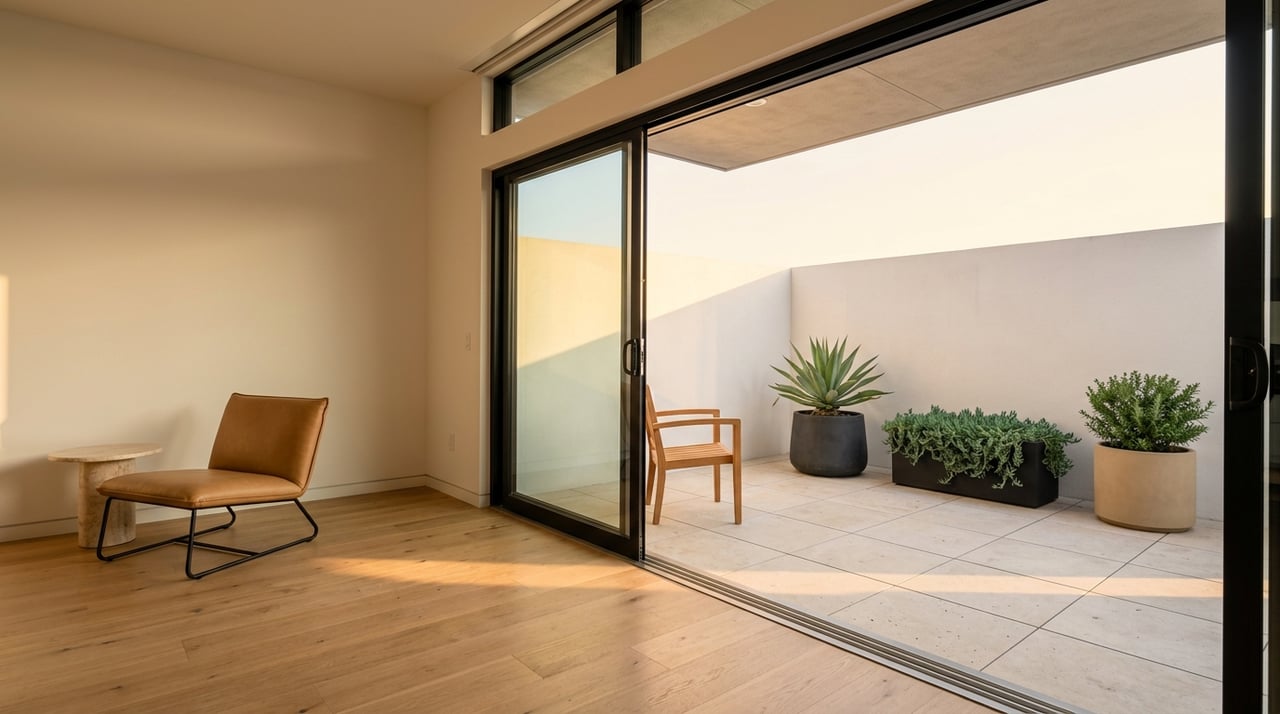
Dreaming about a place by the coast that you can enjoy on your schedule? If you are considering a second home or vacation condo in Oceanside, you are likely weighing more than just views and price. You want a property that feels easy to use, simple to maintain, and smart for your long-term plans. This guide walks you through what makes Oceanside appealing, what to watch for with condos, and how to evaluate the details that matter most before you buy. Let’s dive in.
Why Oceanside Fits Second-Home Buyers
Oceanside offers a coastal lifestyle without requiring you to buy into the pace or price structure of every larger resort market. The city has 3.5 miles of beaches, the historic pier, and Harbor access, which gives you a strong mix of everyday enjoyment and weekend appeal. According to Visit Oceanside’s guide to local outdoor attractions, the beach lifestyle here is paired with easy access to surf, sand, and waterfront activity.
Convenience is a major part of the draw. The downtown gO’side shuttle gives part-time owners a low-fare way to move around the core of town, and regional transit adds flexibility if you are coming from elsewhere in San Diego County or beyond. NCTD COASTER service connects Oceanside with downtown San Diego, and Rail 2 Rail program information notes that Oceanside Transit Center is also part of select Amtrak Pacific Surfliner trips.
For many buyers, that combination matters as much as the beach itself. You get ocean access, a walkable core in some areas, and transportation options that can make a second home easier to enjoy on shorter stays.
Oceanside Price Range and Condo Options
One reason Oceanside stands out is its broad range of entry points. Based on the research report, the citywide median sale price was $857,500 in February 2026, with higher pricing in 92054 and lower price points in 92057 and 92058. That spread gives you more room to choose a property that matches your goals, whether you prioritize beachfront location, downtown access, or lower-maintenance value.
In practical terms, Oceanside condos are not one single product type. You may find:
- Beachfront or near-beach condos near the coast
- Downtown-adjacent condos with easier access to shops, dining, and transit
- Townhome-style condominium communities with newer construction appeal
- Inland condo options with a lower purchase price than the coast
This matters because the right fit depends on how you plan to use the property. If you want a classic lock-and-leave setup, you may care more about parking, building security, elevator access, and HOA efficiency than having the most dramatic view in town.
Choosing the Right Condo Style
Not every second-home buyer wants the same experience. Some buyers want to step outside and be near the sand in minutes. Others want a residence that feels easy to shut down, leave for a few weeks, and return to without a long maintenance list.
In Oceanside, coastal condos may offer features like ocean views, gated or private parking, patios, rooftop decks, or resort-style amenities, based on the active inventory examples in the research report. Newer townhome-style condominium communities can also appeal if you prefer a more updated layout and potentially lower day-to-day upkeep.
A helpful question to ask yourself is simple: What will make this home easy to enjoy often? For some buyers, that means being close to the pier or harbor. For others, it means a well-run community with practical rules, predictable costs, and straightforward access.
Why HOA Review Matters So Much
When you buy a condo, you are not only buying the unit. You are also buying into the building, the association, and the way the property is managed. That is why HOA review is one of the most important parts of buying a vacation condo in Oceanside.
The Consumer Financial Protection Bureau notes that HOA dues are usually paid separately from your mortgage and can range from a few hundred dollars to more than $1,000 per month. The same source also explains that lenders may charge slightly more for condo loans, which makes it especially important to compare Loan Estimates carefully.
Beyond dues, the building’s financial health matters. Fannie Mae’s condo project review standards explain that lenders review project documents such as recorded legal documents, budgets, financial statements, and reserve studies. In California, condo associations must also conduct a reserve-study visual inspection at least once every three years and review it annually, as outlined in the California Legislative Information reserve disclosure requirements.
For you, this means a convenient lock-and-leave property depends heavily on the HOA being well managed. Healthy reserves, clear rules, and fewer unresolved repair issues can make ownership much smoother.
What to Check Before You Make an Offer
Before you move forward on a condo, it helps to look past finishes and views and focus on the operating details. A beautiful unit can still be the wrong fit if the association has weak reserves, unclear rental rules, or recurring assessments.
Use this checklist as a starting point:
- Confirm the condo is eligible for your intended financing program
- Ask your lender about condo pricing adjustments and project review requirements
- Request the current HOA budget and reserve study
- Review any history of special assessments
- Ask about deferred maintenance or planned repairs
- Verify parking rules, guest access, and insurance considerations
- Budget HOA dues as a separate monthly housing cost
These steps can help you avoid surprises and give you a clearer picture of the true cost and convenience of ownership.
Short-Term Rental Rules in Oceanside
If you hope to offset ownership costs with rental income, Oceanside’s short-term rental rules deserve close attention. This is one of the biggest local factors that can affect whether a specific condo works for your goals.
The City of Oceanside defines a short-term rental as a legally permitted dwelling unit, or part of one, rented for 30 consecutive days or less, according to the city’s short-term rental program page. Hosted short-term rentals are allowed in all zoning districts, but non-hosted short-term rentals in residential zones outside the Coastal Zone are prohibited. The city also states that it does not enforce private CC&Rs, which means HOA rules may be stricter than city rules.
That last point is critical. Even if city rules allow a use, the HOA may still prohibit it.
Rental Permits, Taxes, and Occupancy Limits
If you are evaluating rental potential, you need to verify more than zoning. The city’s short-term rental FAQ and tax guidance explain that a permit is required in most cases, though some exceptions may apply. The same source notes that a TOT certificate is required for short-term rental properties, and current tax rates are 10% TOT and 1.5% OTMD on room rental revenue.
Occupancy rules also affect how a property can be used. The city FAQ states that overnight occupancy is limited to two adults per bedroom plus two additional people per unit, with up to 10 additional daytime guests allowed between 7 a.m. and 10 p.m.
Another key point is permit transferability. Short-term rental permits are non-transferable, so you should never assume a seller’s permit will carry over to you after closing.
Match the Financing to Your Use
Your financing should align with how you actually plan to use the property. If you are buying a second home, the loan guidelines may differ from those for an investment property.
According to Fannie Mae’s second-home requirements, a second home must be occupied by the borrower for part of the year, must be suitable for year-round occupancy, and cannot be a rental property or timeshare. The borrower must also have exclusive control over the property, and the loan cannot be subject to an agreement that gives a management firm control over occupancy.
Fannie Mae also states that rental income can exist on a second home, as long as that income is not used to qualify for the loan. If you plan to use the property primarily as a rental, it may fit better under investment-property financing rather than second-home financing.
Oceanside Lifestyle Advantages
A second home should make your life easier, not more complicated. Oceanside’s appeal is that it combines coastal living with practical usability. You can enjoy the beach, the harbor, and the pier, while also benefiting from local and regional transportation that can make shorter visits more realistic.
Visit Oceanside’s harbor information highlights boating, whale watching, kayaking, paddleboarding, and fishing, all of which add to the city’s year-round recreational appeal. For buyers who want a coastal base that feels active but manageable, that mix can be very compelling.
This is especially true if you are comparing Oceanside with areas where pricing, access, or ongoing upkeep may feel less practical for part-time use. In the right building, a condo here can offer a strong balance of enjoyment, flexibility, and lower-maintenance ownership.
A Smart Buying Strategy
The best second-home purchase is usually not the one with the flashiest listing photos. It is the one that fits your actual lifestyle, your cost comfort zone, and your intended use. In Oceanside, that means balancing location appeal with HOA quality, financing fit, and rental rules.
If you want a true lock-and-leave property, pay close attention to the things that support easy ownership. Look at reserves, dues, parking, building condition, and use restrictions just as carefully as you look at finishes and views. Those details often make the difference between a home that feels effortless and one that creates avoidable friction.
If you are considering a second home or vacation condo in Oceanside, working with a team that understands North County coastal inventory can help you narrow the field quickly and evaluate the fine print with confidence. When you are ready to explore your options, McCoy | Obermueller & Associates can help you take the next step with a private consultation.
FAQs
What makes Oceanside a good place for a second home?
- Oceanside offers beaches, harbor access, the historic pier, local shuttle service, and regional rail connections, which can make part-time coastal living more convenient.
What should you review before buying a vacation condo in Oceanside?
- You should review the HOA budget, reserve study, dues, special-assessment history, financing eligibility, parking rules, and any rental restrictions before making an offer.
Can you use an Oceanside condo as a short-term rental?
- Possibly, but it depends on city rules, the property’s location, permit requirements, and the HOA’s CC&Rs, which may be stricter than city regulations.
Do HOA dues count as part of your mortgage payment on a condo?
- Usually no. The CFPB says HOA dues are typically paid separately from your mortgage payment and should be budgeted as their own housing cost.
How does second-home financing differ from investment-property financing?
- Second-home financing generally requires that you occupy the property for part of the year and maintain exclusive control, while a property used primarily as a rental may need to be financed as an investment property.