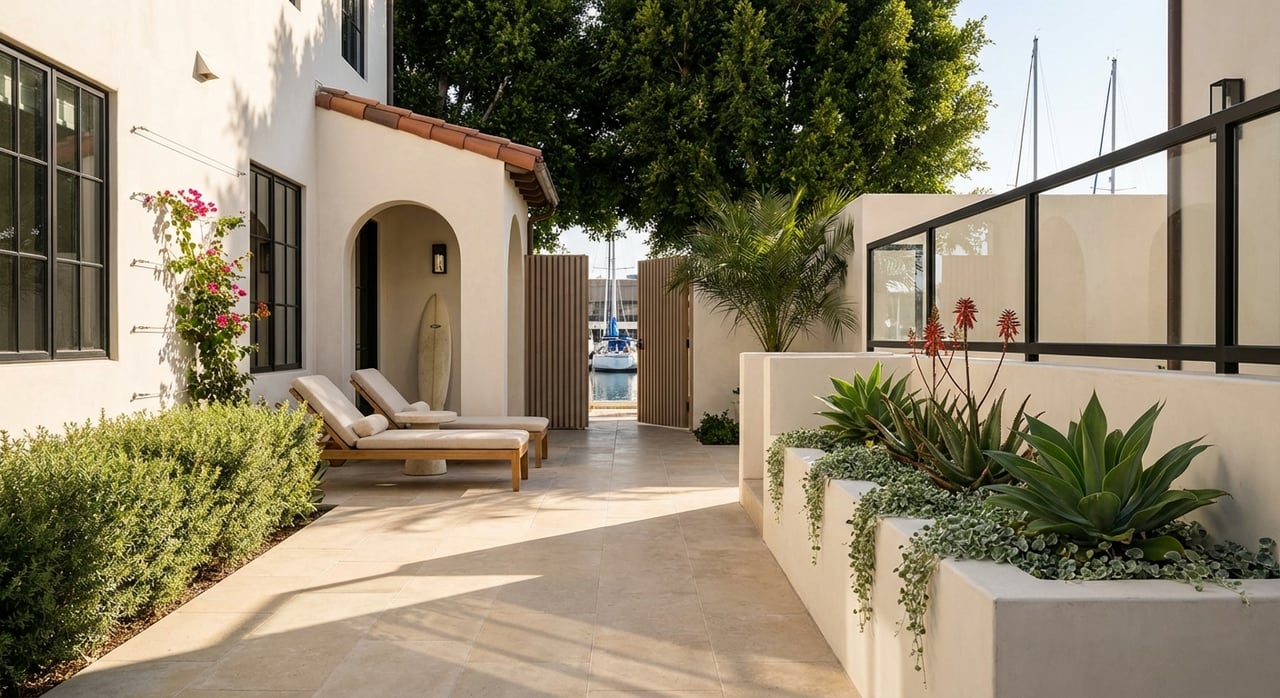
Salt on the breeze. Coffee in hand. Fishing boats easing past the lighthouse as the sun lifts over the marina. If you are drawn to Oceanside’s harbor and the stretch of sand that follows it south, you are not alone. The area blends easy waterfront living with walkable dining, surf culture and quick access to downtown. In this guide, you will learn how the harbor is laid out, what the day-to-day feels like, the property types you will see, and the practical details that help you buy with confidence. Let’s dive in.
Oceanside Harbor at a glance
Oceanside Harbor sits at the city’s north end around a protected inlet with two jetties and a New England–style Harbor Village anchored by a decorative lighthouse. A loop walk around the water is about two miles, with shops and restaurants clustered near the marina. For a clear picture of docks, guest slips, parking lots and the Harbor Office, use the city’s detailed Harbor Map PDF.
Harbor Beach starts just south of the marina and leads toward the Pier and the Strand. The City’s Lifeguard Division staffs beaches and manages zones for swimming and surfing. You can review coverage and safety info on the Lifeguard Division page.
Waterfront lifestyle, day to night
Harbor Village is purpose-built for a slow stroll. You can grab a casual basket at Harbor Fish & Chips or settle in for views at Lighthouse Oyster Bar, Stratford at the Harbor, or Oceanside Broiler. For a feel of the scene and more ideas, browse the Visit Oceanside harbor overview.
On the water, the marina is active year-round. Daily sportfishing trips and charters head out in the morning, with whale-watching in season. Operators like Helgren’s Sportfishing run from the harbor, and you will also find paddleboard and kayak rentals within Harbor Village.
Surf culture is part of Oceanside’s identity. The beach breaks near the pier and harbor are popular in the right conditions, and the California Surf Museum anchors that heritage downtown. You can explore the museum and other cultural stops through Visit Oceanside’s museum guide.
Evenings pick up on Thursdays when downtown hosts the Sunset Market, a large, family-friendly street fair with food vendors and live music. It drives extra foot traffic and can impact parking on market nights. See the event overview on this community listing.
Getting around with ease
You can live a lot of your life on foot around the harbor thanks to boardwalks, a compact village core and direct paths to Harbor Beach. Many residents still use a car for errands beyond the waterfront, so test your daily routes. If you prefer the train for commuting or weekends, the Oceanside Transit Center is a regional hub for Amtrak’s Pacific Surfliner and the NCTD COASTER. See connections and schedules through NCTD’s COASTER page.
What you will find on the market
You will see three main property profiles near the harbor and beachfront:
- Harbor-edge condos. Mid to high-rise buildings like Marina Towers offer 1 to 2 bedroom floor plans, with many older high-rise layouts around 1,300 to 1,400 square feet. Expect harbor or ocean views, plus shared amenities like a pool, spa or rec room. Recent closed sales for 2 bedroom harbor-view units have ranged from the high six figures to the low seven figures.
- Beachfront and Strand condos. Properties along the Strand and communities like San Miguel sit right on or near the sand. These homes often command premium pricing, may see stronger seasonal demand, and can have tighter parking footprints.
- Newer townhomes near downtown. Infill builders have added modern, 2 to 4 bedroom townhomes with rooftop decks within a few blocks of the pier. Many of these list at 1.5 million dollars and above, reflecting new construction and walkable access.
Quick price context
- Citywide, Oceanside’s median sale price is roughly 870,000 dollars as of January 2026. Downtown Oceanside has recently run higher, around 1.1 million dollars. Harbor and Strand homes often trade above the city median.
- Recent examples include 2 bedroom harbor-view condos closing around 900,000 to 1.3 million dollars depending on floor, view and condition. Modern townhomes a couple of blocks from the beach commonly list and sell at 1.5 million dollars or more. Figures change monthly, so plan to review current comps when you are ready to tour.
Costs to budget for
HOA dues vary by building and amenities. Some older marina towers include utilities and basic cable in the monthly fee. Newer townhomes may have lower shared amenities and different maintenance line items. Parking is a premium near the harbor and Strand, and assigned subterranean spaces add value.
Coastal ownership also means planning for shoreline management. The harbor entrance is dredged annually by the U.S. Army Corps of Engineers, and the City posts schedules and updates because equipment, sand placement and temporary closures can affect surf, docking and beach access during operations. You can track timing on the City’s dredging and shoreline news updates.
Boats, slips and live-aboard basics
Buying a harbor condo does not automatically come with a boat slip. Slips are managed by the City through a separate lease process and a published wait list. Slip sizes are standardized, rates are billed by the foot, and there are live-aboard permits with a separate fee and a waitlist process. Review current slip sizes, guest slips, pumpout and fuel dock details on the City’s Harbor Boating Services page, and see the active queue by length on the Slip Wait List PDF. For real-time availability and policies, contact the Harbor Office at 1540 Harbor Drive N, (760) 435-4000, or visit the Harbor Administration page.
Short-term rentals and vacation income
Oceanside has a formal short-term rental program. Most owners need to register for a Transient Occupancy Tax certificate and, in many cases, obtain a separate City STR Permit. Requirements include fees, inspections and ongoing compliance. Recent amendments limit some non-hosted STRs outside the Coastal Zone and restrict certain property types. Before you assume you can list a harbor or Strand condo as a vacation rental, review the City’s Short-Term Rentals page.
Practical checklist before you buy
- Walk your daily loop. Use the Harbor Map to test routes from a target building to Harbor Beach, the Pier and Harbor Village dining.
- Call the Harbor Office. Ask about the slip wait list for your preferred size and live-aboard policies. Do not assume a slip transfers with a condo.
- Verify STR eligibility. Confirm the address’s STR permit path and register for TOT if you plan any short-term rentals using the City’s STR page.
- Plan for seasonality. Expect busier summer days and extra activity on Thursday evenings during the Sunset Market.
- Check coastal risk and insurance. Review FEMA flood maps, ask your lender about requirements, and scan the City’s dredging and shoreline updates for ongoing coastal management.
- Test transit. If rail access matters, time your trip from the Oceanside Transit Center using the COASTER and Surfliner connections.
Beach and pier rules to know
Oceanside posts clear beach and pier regulations, including designated zones for swimming and surfing. Rules address items like dogs, alcohol and glass on the pier, and safety behaviors such as no pier jumping. Get the details on the City’s Beach & Pier Rules page.
Live the harbor life with clarity
When you know how the harbor works, beach rules and seasonality feel more like features than hurdles. The reward is a daily rhythm that starts with boardwalk coffee, pivots to surf checks or a paddle, and ends with dinner on the water as charters return at sunset. If you are considering a harbor-edge condo, a beachfront Strand home or a modern townhome near the pier, you deserve guidance that blends local nuance with smart market analysis. For tailored advice, curated on-market and off-market options, and presentation-minded representation on both buy and sell sides, connect with McCoy | Obermueller & Associates.
FAQs
How close are harbor condos to the sand and downtown in Oceanside?
- Many harbor-edge buildings sit a short walk from Harbor Beach and about one mile to the Pier and downtown, with Harbor Village dining on your doorstep. The City’s Harbor Map shows routes and distances.
Do Oceanside Harbor property purchases include a boat slip by default?
- No. Slips are separate City leases with a published wait list by size. Confirm current queue status with the Harbor Office and review policies on Harbor Boating Services.
What beach and pier rules should Oceanside residents know?
- The City manages designated swimming and surfing areas and posts rules on items like dogs, alcohol and glass. See the Beach & Pier Rules before your first beach day.
How does annual dredging affect life near Oceanside Harbor?
- Dredging keeps the harbor entrance navigable and places sand on nearby beaches. During operations, beach access, surf and docking can be impacted. Watch the City’s dredging updates for schedules.
Can I run a short-term rental near the harbor or Strand in Oceanside?
- Often yes, but you must register for TOT and may need an STR Permit with inspections and ongoing compliance. Start with the City’s Short-Term Rentals page.
Is coastal home insurance more complex near Oceanside Harbor?
- It can be. Check FEMA flood maps, ask your lender about coverage and factor coastal premiums into your budget. The City’s shoreline updates offer context on local resilience efforts.
What transit options help if I live near Oceanside Harbor?
- The Oceanside Transit Center connects you to the Amtrak Pacific Surfliner and NCTD COASTER, which is helpful for second-home owners or commuters. See options on NCTD’s COASTER page.